If you are looking at small multifamily property in Inner Richmond, you are probably asking a simple question with a complicated answer: does the deal truly work? In this part of San Francisco, attractive building stock, limited inventory, and strong neighborhood appeal can make a property look promising fast. The key is knowing how to weigh rent potential, regulations, expenses, and long-term upside with clear eyes. Let’s dive in.
Why Inner Richmond gets investor attention
Inner Richmond offers something many buyers want but few neighborhoods can deliver in one package: established housing, everyday convenience, and easy access to major open space. San Francisco Planning describes the broader Richmond District as an area with slow population and housing growth since 1980, which points to long-term scarcity rather than rapid new supply.
That matters for investors because scarcity can support value over time. In a neighborhood where supply growth has been limited, well-located multifamily property may benefit from steady demand tied to livability, not just short-term rent growth.
What the housing stock looks like
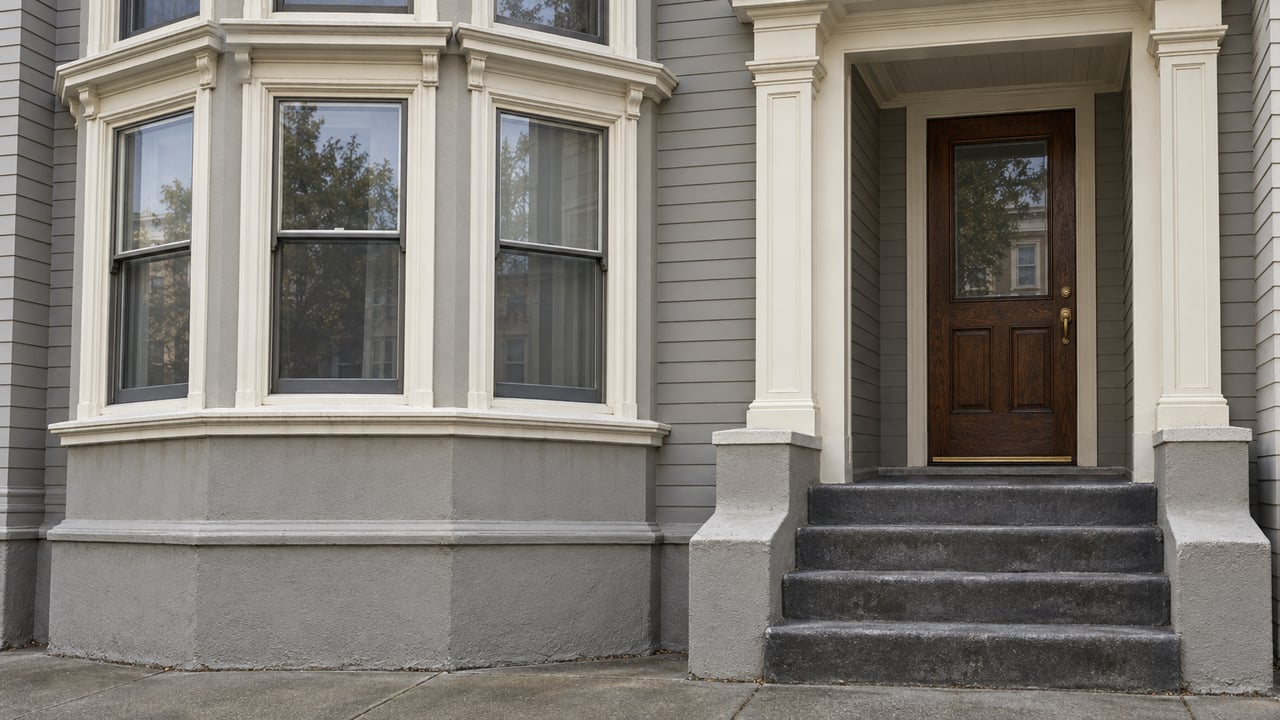
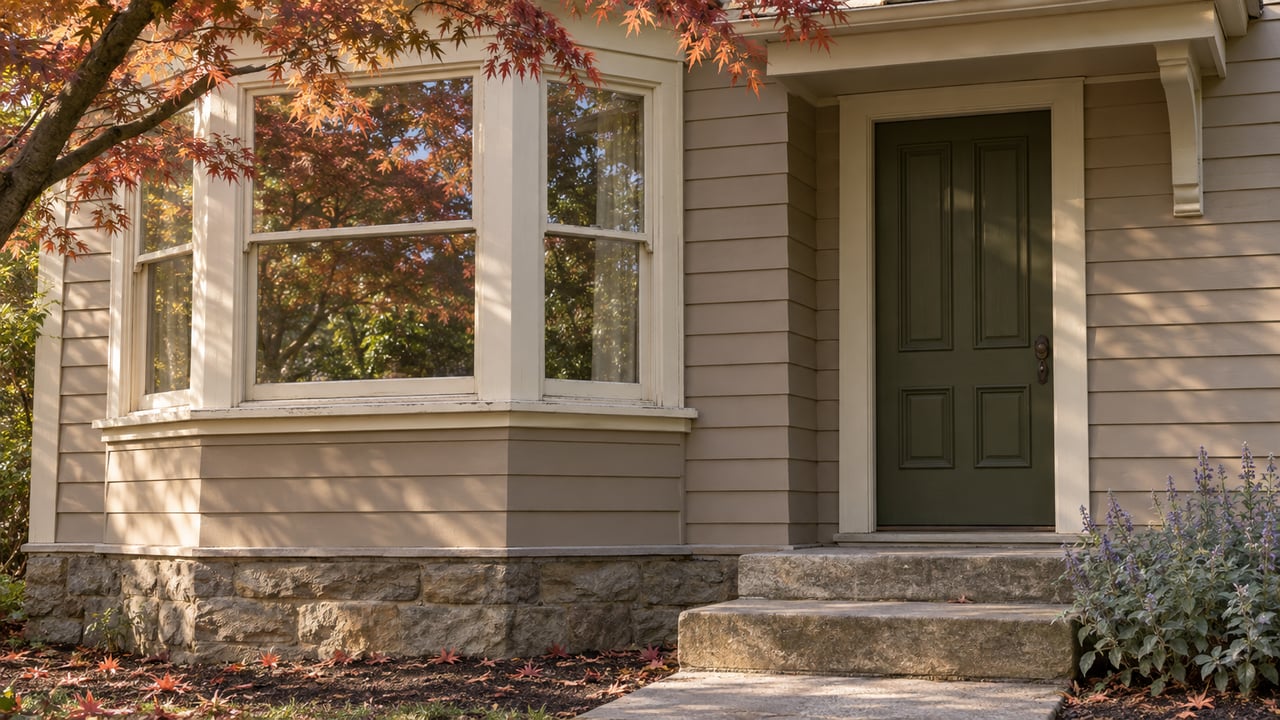
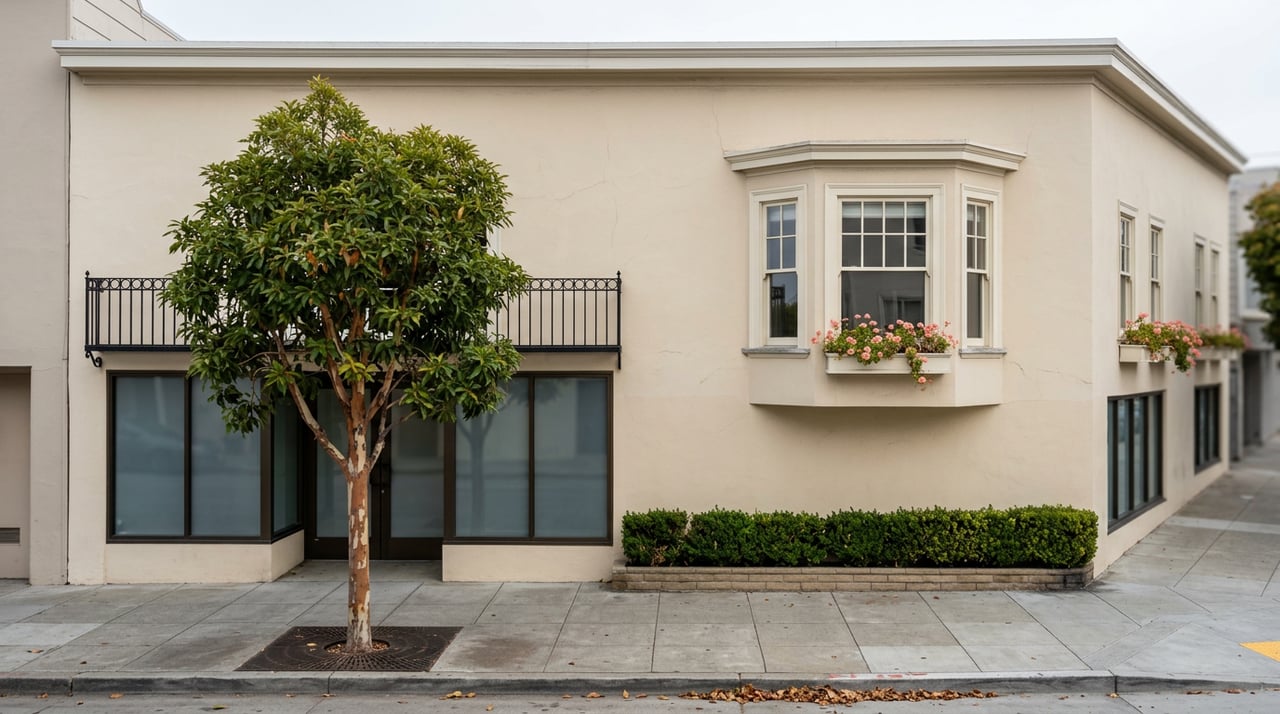
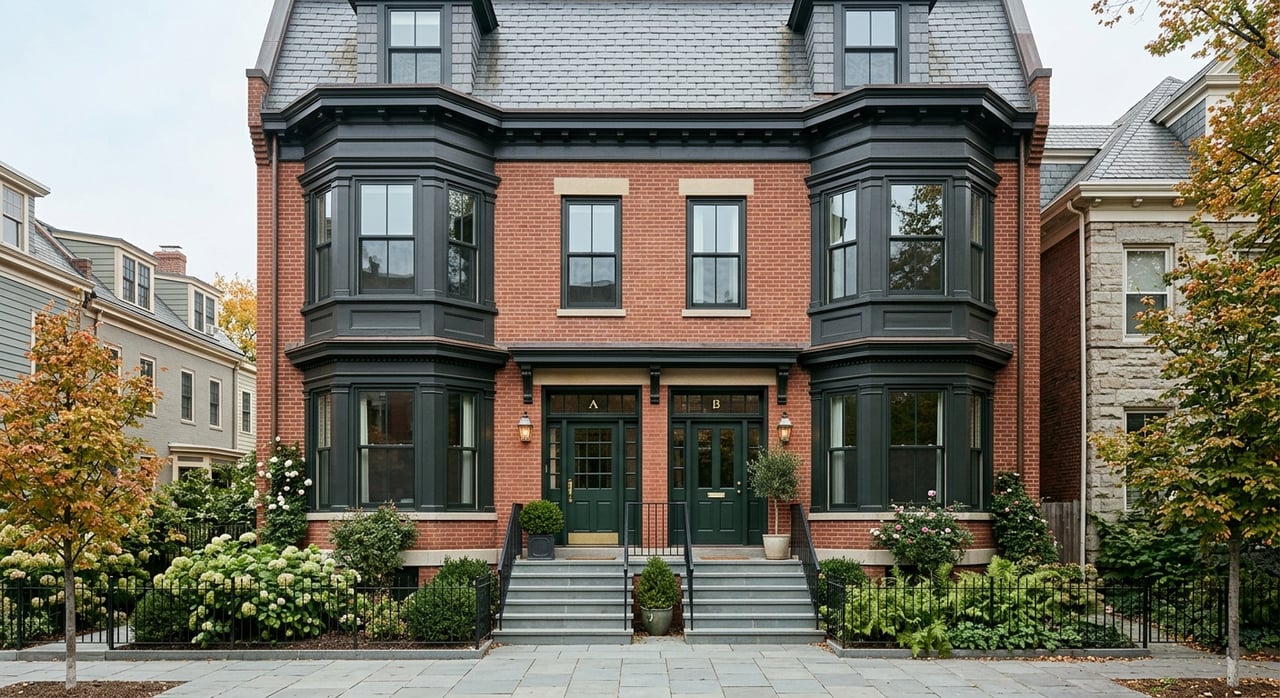
A big part of the Inner Richmond story is the age and style of its buildings. Planning and preservation materials describe the area as a mix of pre-1906 and early post-earthquake cottages, Edwardian-era flats, single-family dwellings, some apartment buildings, and later infill.
For you as an investor, that usually means smaller, older, low-rise wood-frame properties. These assets often come with character and strong curb appeal, but they may also include older systems, deferred maintenance, and renovation decisions that affect both cost and resale strategy.
What pricing suggests today
Current market pages indicate that Inner Richmond trades at a premium compared with the broader city. Redfin reported a recent median sale price of $2.0 million in Inner Richmond, while its broader San Francisco page showed a citywide median sale price of $1.7 million over a similar period.
Realtor.com also showed a median listing price of $1.9 million, with only 23 homes for sale and a 114% sale-to-list ratio in May 2026. These figures are best used as directional market signals, not as substitutes for property-level valuation, but they do suggest that buyers are competing for limited inventory.
Why renters are drawn to Inner Richmond
Parks and open space matter
Inner Richmond benefits from proximity to some of San Francisco’s most recognized outdoor amenities. San Francisco Recreation and Parks manages more than 230 parks and open spaces, including Golden Gate Park, and the Presidio is open every day and fee-free according to the National Park Service.
That kind of access can support rental demand because many households place a premium on nearby outdoor space. In practical terms, a small multifamily property near these amenities may appeal to renters who value walkability, recreation, and a west-side San Francisco lifestyle.
Transit and daily convenience support demand
Transportation is another major part of the neighborhood’s appeal. The San Francisco General Plan notes that Geary Boulevard is intended to carry much of the east-west travel serving Inner Richmond and nearby areas, while local planning goals emphasize reliable transportation and active commercial corridors.
For a rental property, that usually supports demand from people who want neighborhood services close by and access to the rest of the city without depending heavily on a car. That does not guarantee higher rents on its own, but it can help support occupancy and resident retention.
The investment case is usually not about aggressive rent growth
In Inner Richmond, the more credible investment thesis is often stability plus long-term appreciation. The neighborhood’s appeal tends to come from limited supply, strong amenities, older architectural character, and broad buyer interest.
That means your upside may depend more on buying well, managing carefully, and improving a property thoughtfully than on assuming sharp rent jumps. If you go in expecting unrestricted rent resets, your underwriting can get into trouble very quickly.
Underwrite rent rules carefully
San Francisco rent control can cap growth
One of the most important parts of underwriting a small multifamily property in Inner Richmond is determining which rent rules apply to each unit. According to the San Francisco Rent Board, the allowable annual increase for covered units is 1.6% from March 1, 2026 through February 28, 2027.
The same Rent Board notice says that for condos and buildings with 1 to 9 residential units, a landlord must obtain a rent-increase license before imposing annual or banked rent increases. For many small buildings, rent growth is not simply a market assumption. It is a legal question that must be answered unit by unit.
AB 1482 may apply to some units
For units not covered by the local ordinance, state rules may still matter. SF.gov states that the maximum annual increase for units subject to AB 1482 is 6.3% in San Francisco for the period from August 1, 2025 through July 31, 2026.
That cap does not apply to units already covered by the more protective San Francisco Rent Ordinance. So before you estimate future income, you need to confirm whether each unit falls under the local ordinance, AB 1482, or an exemption.
Eviction and turnover rules are part of the risk picture
San Francisco’s regulatory framework affects more than annual rent increases. SF.gov says the city’s eviction requirements apply to most residential properties, including apartments, houses, condominiums, single-family dwellings, and even buildings built after 1979.
Separate city guidance also notes that many residential buildings built on or before June 13, 1979 are subject to rent control and eviction protection. For you, that means turnover assumptions should stay conservative. A business plan built around quick tenant changes may not fit the local rules.
Model ownership costs the right way
Property taxes can reset after purchase
One of the most common underwriting mistakes is carrying forward the seller’s tax bill. The California Board of Equalization says a change in ownership generally triggers reassessment to current fair market value.
In San Francisco, the Assessor-Recorder states that Proposition 13 sets the property tax rate at a uniform 1% plus voter-approved bonds and assessments. If you buy at today’s pricing, your post-sale tax expense may be materially different from the seller’s current number.
Transfer tax affects your basis
Acquisition costs matter too. San Francisco’s transfer-tax factsheet states that a property transfer between $1 million and $5 million is taxed at $3.75 per $500 of consideration.
On a small multifamily purchase in Inner Richmond, that is not a rounding error. It affects your cash needed to close and should be included in your basis and return analysis from day one.
Small recurring fees still count
San Francisco also has recurring local costs that should show up in your operating model. The Rent Board’s current all-rates notice lists the annual Rent Board fee at $38.90 per unit starting June 30, 2025.
The same notice lists the security-deposit interest rate at 4.2% for March 1, 2026 through February 28, 2027. SF.gov adds that for units covered by the Rent Ordinance and subject to the annual Rent Board fee, a landlord may deduct 50% of that annual fee from the yearly security-deposit-interest payment. Each item is small by itself, but in a tight-margin deal, details matter.
Build your income model conservatively
A disciplined process can help you avoid overpaying. Fannie Mae’s small-loan underwriting framework says gross rental income should be based on the lesser of actual in-place rent or market rent for occupied units, plus market rent for vacant units based on the current rent roll.
From there, vacancy, concessions, and bad debt are subtracted to reach net rental income, with other income and commercial income added where applicable. After that, stabilized operating expenses are deducted line by line. In plain terms, you should verify the rent roll first, then pressure-test expenses, and only then judge whether the return is acceptable.
A practical Inner Richmond checklist
Before you move forward on a small multifamily acquisition, it helps to work through a local checklist:
- Confirm whether each unit is subject to the San Francisco Rent Ordinance, AB 1482, or an exemption.
- Rebuild the rent roll from actual leases, not seller assumptions.
- Underwrite property taxes based on post-sale assessed value.
- Include San Francisco transfer tax in your acquisition basis.
- Budget for the Rent Board fee and security-deposit-interest obligations.
- Treat repairs, capital improvements, and management as property-specific line items.
- Review older systems carefully, especially in low-rise wood-frame buildings.
What long-term appreciation may depend on
For many investors, Inner Richmond is more of a long-hold neighborhood than a quick-turn one. The combination of slow housing growth, older low-rise building stock, established retail corridors, and access to Golden Gate Park and the Presidio supports a scarcity-based value story.
That does not promise future appreciation, of course. But it does suggest that well-located, well-maintained, and thoughtfully updated small multifamily properties may continue to attract both investors and future owner-occupant buyers looking for classic San Francisco housing in a highly livable setting.
Why local deal analysis matters here
Inner Richmond is the kind of market where a property can look strong on the surface but weaken under detailed review. A premium purchase price, regulated rent growth, tax reassessment, transfer tax, and building-specific capital needs can all change the math.
That is why local context and financial discipline matter so much. When you pair neighborhood knowledge with careful underwriting, you put yourself in a better position to spot real value and avoid expensive assumptions.
If you are weighing a small multifamily purchase in Inner Richmond, working with an advisor who understands both San Francisco neighborhood dynamics and investment analysis can help you move with more confidence. To discuss acquisition strategy, underwriting, or a specific property, connect with Omari Williams.
FAQs
What makes Inner Richmond attractive for small multifamily investors?
- Inner Richmond offers limited housing supply, older low-rise building stock, access to Golden Gate Park and the Presidio, active commercial corridors, and strong neighborhood convenience that can support long-term demand.
How should you underwrite rent growth for Inner Richmond multifamily property?
- You should confirm whether each unit is covered by the San Francisco Rent Ordinance, AB 1482, or an exemption before projecting rent increases, since local and state rules can cap future growth.
What property tax issue matters after buying Inner Richmond multifamily real estate?
- A change in ownership generally triggers reassessment to current fair market value, so you should model property taxes based on your purchase rather than the seller’s existing tax bill.
What San Francisco costs should you add to an Inner Richmond acquisition model?
- You should account for transfer tax, the annual Rent Board fee, security-deposit-interest obligations, and property-specific repair and capital costs.
Is Inner Richmond better for cash flow or appreciation?
- Based on the neighborhood’s limited supply, premium pricing, and regulated rent environment, many buyers view Inner Richmond as a market where long-term appreciation and stability may matter more than aggressive near-term rent growth.