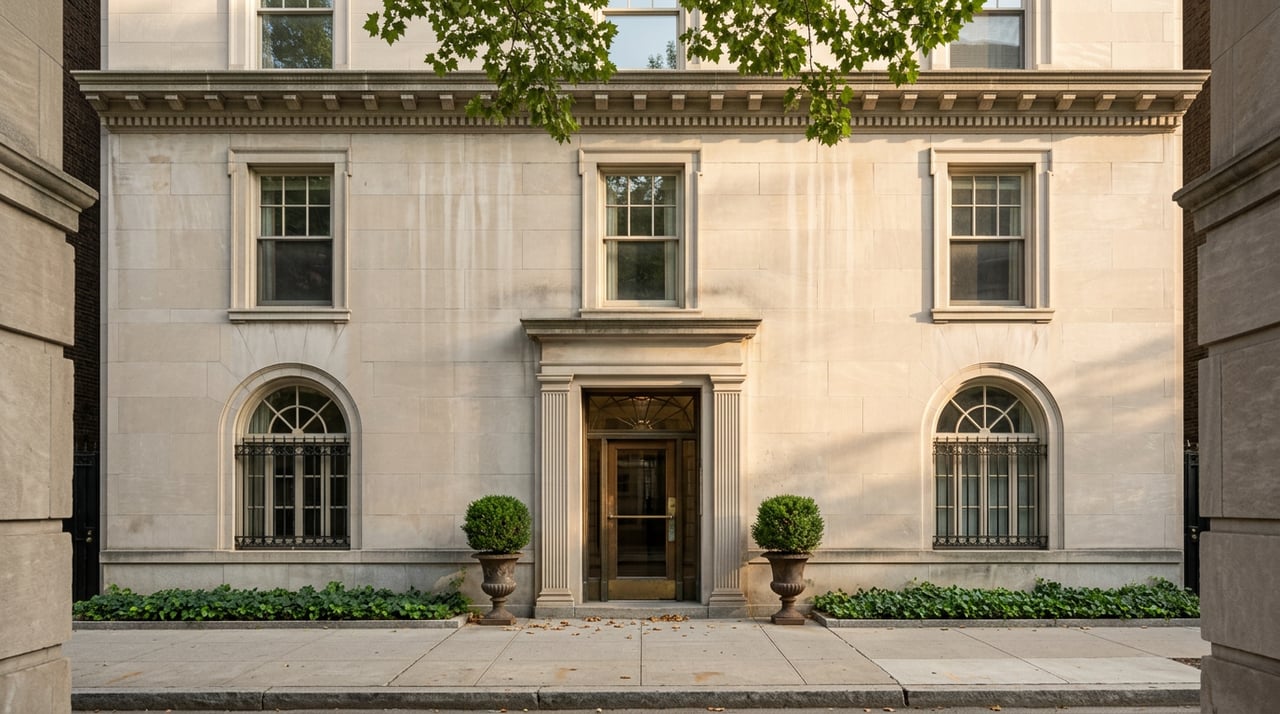
Nob Hill’s grand apartment buildings are part of what makes the neighborhood so special. If you are drawn to that elegance, you will likely compare condos and co‑ops and quickly notice real differences in ownership, financing, fees, and timelines. It can feel confusing at first. In this guide, you will learn exactly how each structure works in San Francisco, what to expect during escrow, where costs can surprise you, and how to perform smart due diligence before you write an offer. Let’s dive in.
Condo vs co‑op basics
Condominium: You own a deeded unit plus a share of the common areas. In California, condos fall under the Davis–Stirling Act, which governs HOA disclosures, budgets, reserves, and operating rules. Transfers are recorded like other real property, and lenders make standard mortgages with title insurance. You will review HOA documents and pay monthly dues to cover building expenses and reserves. For a plain‑English overview of the statute and disclosure framework, see the Davis–Stirling resources on the state HOA law.
Co‑op: A cooperative corporation holds title to the building. You buy shares in that corporation and receive a proprietary lease for your unit, so your interest is a share and a lease rather than a deed. At closing you receive a stock certificate and an assignment of the proprietary lease. Financing is a “share loan” secured by your shares, and the co‑op’s board manages building rules, budgets, and the buyer approval process. For a practical walkthrough of co‑op mechanics, including the proprietary lease and application steps, review this guide to buying a co‑op from board package to closing.
How common in Nob Hill
Co‑ops exist in San Francisco, including Nob Hill, but they are far less common than condos and tenancy‑in‑common arrangements. Expect a smaller pool of lenders for co‑ops and a more limited buyer pool compared with condos, which can influence pricing, marketing time, and negotiation. If you value broader financing choices and easier resale, a condo often offers more flexibility.
Governance and approvals
Condo disclosures you will receive
Under the California Davis–Stirling Act, condo sellers must deliver a comprehensive resale packet on request. Required items include CC&Rs, bylaws, operating rules, the current budget and reserve summary, an insurance summary, and a statement of fees and assessments. Associations generally have up to 10 days to deliver these documents after a written request, which means your contingency clock should account for this timeline. You will use the packet to assess reserves, any litigation, rental restrictions, and insurance coverage. Helpful references are available in the Davis–Stirling statute summaries and in Civil Code §4530 regarding transfer disclosures.
Co‑op board package and approvals
Most co‑ops require a formal application that includes personal financial statements, tax returns, bank statements, references, and a credit authorization. Many boards interview applicants and reserve the right to approve or decline within their bylaws. This review often adds weeks to the timeline, and contracts typically include a board‑approval contingency. If you are financing, your lender and the co‑op will execute a recognition agreement so the lender’s interest in the shares and proprietary lease is acknowledged. For details on the buyer package, timelines, and recognition agreements, see this step‑by‑step co‑op buying guide.
Financing differences
Condo mortgages
Condos are typically financed with conventional mortgages. Lenders will also evaluate the project’s health, including reserves, owner‑occupancy mix, commercial ratios, and any litigation that could affect eligibility. Some condo projects may be eligible for government‑backed options if they meet program criteria. Your interest rate and down payment can reflect both your profile and the building’s profile.
Co‑op share loans
Co‑op loans are different. Lenders secure the loan with your corporate shares and a pledge of the proprietary lease. Large investors, including Fannie Mae, require strict documentation and project eligibility checks, and lenders often need special approvals to sell co‑op loans. Because of these rules, fewer lenders offer share loans and underwriting can ask for more liquidity, deeper reserves, and extra building‑level documents. Review Fannie Mae’s co‑op loan documentation requirements to understand why lenders ask for additional items.
Taxes and possible deductions
In California, property taxes are generally about 1 percent of assessed value plus local assessments, and a purchase usually triggers a reassessment under Prop 13. Budget for a supplemental tax bill after closing, which the San Francisco Treasurer and Tax Collector explains in its resources. In qualifying co‑ops, tenant‑shareholders may be able to deduct their share of the corporation’s mortgage interest and real estate taxes under Internal Revenue Code §216. Because rules are specific, consult your tax advisor and review a plain‑English summary of IRC §216 to see how the building reports these items.
Monthly costs in Nob Hill
Condo HOA dues explained
Condo dues typically cover common‑area maintenance, management, the master insurance policy, and reserves for future capital work. Some buildings include shared utilities or staff. You will still carry an HO‑6 policy for your unit’s interior and personal property. Understanding what the master policy covers and where deductibles sit is important, since low limits or high deductibles can lead to special assessments after a large claim. See this guide on HOA master insurance and what your HO‑6 should address.
Co‑op maintenance fees explained
Co‑op maintenance fees often bundle more line items. They typically include building operations, staff, insurance, reserves, many utilities, and often the co‑op’s property taxes and payments on any underlying building mortgage. That is why co‑op fees can look higher at first glance, even when the total cost of ownership is comparable once you add property taxes and mortgage costs. When you compare a condo to a co‑op, evaluate the all‑in monthly cost rather than dues alone.
Reserves and assessments
In both structures, low reserves raise the risk of future special assessments. For condos, ask for the latest reserve study and current financials. For co‑ops, review corporate financial statements, the status of any blanket mortgage, and delinquency rates. Buildings with high delinquencies or thin reserves can face loan eligibility issues for buyers and higher ownership costs down the road.
Building risks in historic stock
Seismic and soft‑story work
Many older San Francisco buildings have seismic considerations. The city’s Mandatory Soft‑Story Retrofit and related programs require retrofits for certain vulnerable wood‑frame multiunit buildings. Required work and pass‑through rules can affect budgets and lead to fee increases or one‑time assessments. Ask whether a building is subject to these rules, and request permits, engineering reports, and cost plans. The San Francisco soft‑story program page outlines scope and owner obligations.
Historic preservation rules
Nob Hill includes pre‑war buildings with distinctive façades and architectural details. Some properties may be landmarked or eligible for Mills Act contracts, which can trade tax incentives for preservation obligations. Historic status can bring added design review and specific permit requirements for exterior and some interior work. The San Francisco Planning resources on historic property programs explain how preservation can shape renovation scope and timeline.
Timeline: condo vs co‑op
Condo escrows mainly hinge on HOA document delivery, lender project checks, appraisal, and loan underwriting. The Davis–Stirling disclosure packet has a statutory delivery window, so start early to preserve your review time. Co‑ops add the board package and interview, which can stretch the process by several weeks with application fees and less predictable review cycles. Build a board‑approval contingency into your contract and plan your move‑in logistics with this extra time in mind. For a deeper look at co‑op timelines and board review, consult the co‑op buying guide.
Due diligence checklist
- Request the complete condo resale packet or co‑op corporate documents as early as possible. For condos, Civil Code §4530 outlines what must be delivered and the timing.
- If buying a co‑op, prepare for a formal board package that usually includes tax returns, reference letters, proof of funds, and a cover letter. Confirm your lender offers share loans and is comfortable with the building’s documentation.
- Review reserves, financial statements, and delinquency data. For co‑ops, ask about any building‑level blanket mortgage and its maturity and rate terms.
- Ask whether the building is in the city’s soft‑story or other retrofit programs, then review permits, engineering reports, and a written plan for funding required work.
- Confirm the master insurance scope, deductibles, and limits, and align your HO‑6 coverage. Consider loss‑assessment coverage.
- If you want to deduct interest and taxes in a co‑op, have a tax advisor confirm the building’s qualification under IRC §216 and the reporting you will receive.
- Plan for property tax reassessment and the supplemental bill after purchase. The San Francisco Treasurer and Tax Collector site provides helpful guidance.
- For financing, understand that Fannie Mae’s co‑op rules drive documentation and eligibility. Ask your lender for their co‑op checklist early.
- If you are exploring specialized cooperative programs, note that HUD’s Section 213 is a project‑level program rather than a routine single‑unit purchase tool.
Which is right for you
Choose a condo if you want deeded real property with more mainstream financing, a broader buyer pool for future resale, and an escrow that follows well‑known HOA timelines. Choose a co‑op if you are comfortable with a board review, like the community governance model, and value buildings where monthly fees include many operating costs and taxes. Your best choice also depends on the specific building’s reserves, insurance, retrofit status, and your financing strategy. A numbers‑first comparison of all‑in monthly cost, tax treatment, and timeline usually brings the answer into focus.
If you want a clear, side‑by‑side analysis of a Nob Hill condo and a co‑op you are considering, along with introductions to lenders experienced with share loans and a plan for disclosures and timing, connect with Omari Williams. Book an Appointment and get a practical path from offer to keys.
FAQs
What is the key difference between condo and co‑op ownership in Nob Hill?
- A condo gives you a deed to a unit plus a share of common areas under the Davis–Stirling Act, while a co‑op gives you corporate shares and a proprietary lease for your unit.
How do financing options differ for Nob Hill co‑ops?
- Co‑ops use share loans secured by your shares and lease, and lenders follow strict investor documentation, which means fewer lenders and different underwriting; see Fannie Mae’s co‑op loan requirements for context.
Do co‑op maintenance fees in San Francisco include property taxes?
- Often yes; many co‑ops bundle building operations, reserves, insurance, utilities, and the corporation’s property taxes and any underlying building mortgage into one monthly fee.
What disclosures will I receive when buying a Nob Hill condo?
- Under the Davis–Stirling Act you should receive CC&Rs, bylaws, rules, a budget and reserve summary, insurance summary, and a fee statement, typically delivered within 10 days of request under Civil Code §4530.
Can a San Francisco co‑op board reject my purchase application?
- Yes; most co‑ops require a complete board package and interview, and boards can approve or decline within their bylaws, so contracts often include a board‑approval contingency.
What should I look for in HOA or co‑op insurance coverage?
- Check master policy type, limits, and deductibles, review any open claims, and align your HO‑6; low limits or high deductibles can increase risk of special assessments after a loss.