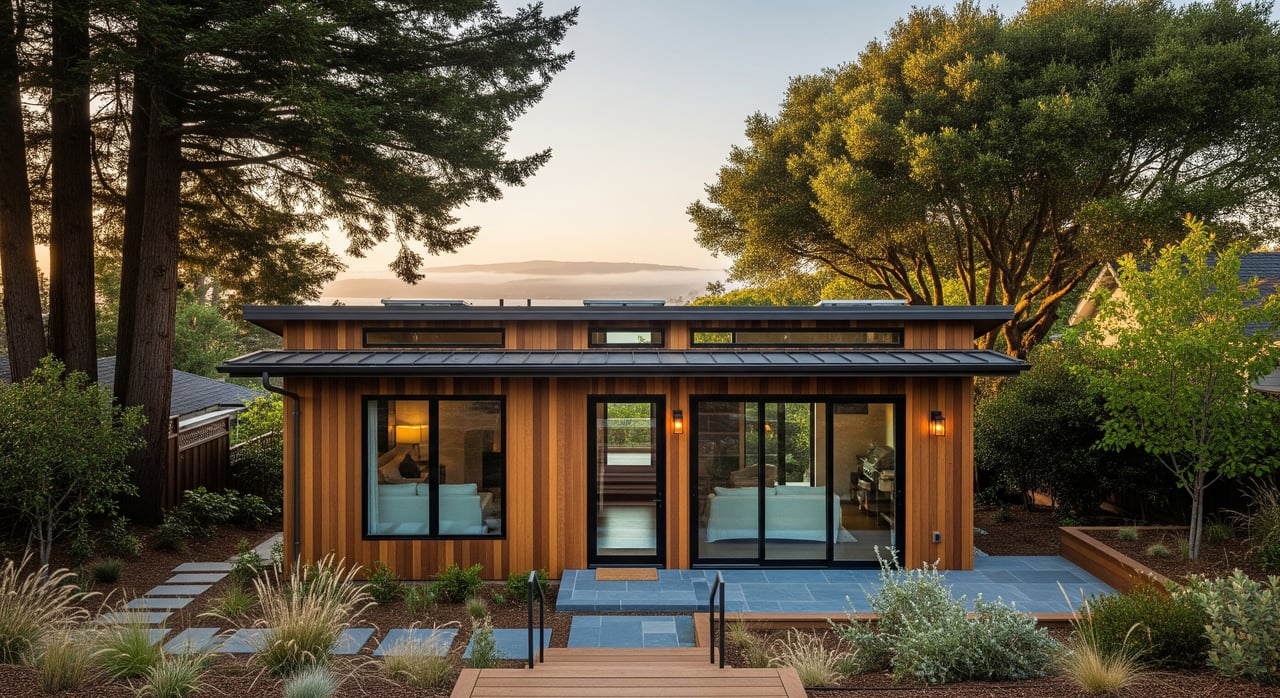
Thinking about adding an ADU in Marin County? Between coastal rules, wildfire zones, and septic systems, the path can feel confusing. You want clear steps, realistic timelines, and numbers that pencil out. This guide breaks down what counts as an ADU, which rules matter most in Marin, how permitting works, and what to model financially so you can move forward with confidence. Let’s dive in.
What counts as an ADU
ADUs come in several formats. Each has different design, cost, and permitting implications.
- Detached ADU: A separate structure, often in the rear yard or above a detached garage.
- Attached ADU: An addition that connects to the main home.
- Garage conversion: Converting an existing garage or accessory building into living space.
- Conversion of existing space: Turning an attic, basement, or interior area into an ADU.
- Junior ADU (JADU): A smaller unit created within the primary home. JADUs are typically up to 500 sq ft and may share plumbing.
Key rules to verify in Marin
Marin jurisdictions follow California’s ADU laws while applying local, objective standards. Always confirm exact numbers with your city or the Marin County Community Development Agency if you are in an unincorporated area.
- Maximum size: JADUs are typically capped at 500 sq ft. For ADUs, local limits often range from 1,000 to 1,200 sq ft for detached or attached units. Verify the exact size and any bedroom limits in your city.
- Setbacks and lot coverage: Local setback, height, and lot coverage standards apply, with state rules limiting how restrictive they can be. Some conversions qualify for reduced setbacks.
- Height: Detached ADUs commonly have height limits in the 16 to 18 foot range in many California cities. Marin’s scenic or hillside areas may have lower limits.
- Parking: State law reduces parking requirements. Parking is often not required if the ADU is a conversion of existing space or within a half-mile of transit. Replacement parking generally is not required when you convert a garage. Check local exceptions.
- Utilities: Sewer-connected properties typically must tie into the public system, with capacity checks and fees. Septic properties require Environmental Health review and may need system upgrades that affect feasibility.
- Water and power: Separate water meters or tap fees may be required by your water district. Electrical service upgrades can add cost.
- Fire and safety: Parcels in wildfire-prone areas must meet defensible space and ignition-resistant construction requirements. Fire sprinklers and additional fire access may be required depending on the site and unit type.
- Habitability: All ADUs must meet building code requirements for kitchens, bathrooms, egress, ventilation, insulation, and minimum ceiling heights.
Coastal, wildfire, and septic factors
- Coastal Zone properties: If your property lies in the Coastal Zone, you may need a coastal permit in addition to your ADU permit. Coastal review can extend timelines and add design considerations.
- Wildfire risk areas: Many Marin neighborhoods sit in the Wildland-Urban Interface. Expect defensible space requirements, ignition-resistant materials, and potential water supply or access improvements.
- Septic systems: Septic capacity can be a make-or-break issue. Environmental Health may limit ADU size, require leach field expansions, or deny projects if systems cannot be upgraded.
Permits and timelines
Most ADUs that meet objective standards qualify for ministerial review, which avoids public hearings and discretionary decisions. Special areas can trigger extra permits.
Typical steps:
- Feasibility check with planning to confirm zoning, setbacks, lot coverage, and overlays.
- Coordinate with water, sewer, and Environmental Health if septic.
- Prepare plans with an architect or designer. Include structural and civil input for grading or retaining walls.
- Submit your building and ADU permit application. Provide utility letters and any septic approvals.
- Complete plan check, make corrections, build, and pass inspections to obtain a Certificate of Occupancy.
Timelines: Ministerial reviews are often measured in weeks to a few months once your submittal is complete. Coastal permits, historic review, septic upgrades, or hillside constraints can extend the process to several months or longer. Construction typically ranges from 3 to 9 months based on scope and site conditions.
Costs, fees, financing, and taxes
- Construction costs: Marin costs vary widely. Hillsides, fire-hardening, retaining walls, sewer or septic work, and material choices move budgets the most.
- Fees: Expect plan check and building permit fees. Impact and connection fees may apply, with state law offering fee reductions for smaller ADUs in some cases. Verify your city’s fee schedule and size thresholds.
- Utilities: Water taps, sewer connection or capacity fees, and electrical upgrades can be material line items in your budget.
- Financing: Many owners use HELOCs, cash-out refinances, construction loans, or specialized ADU loans. Confirm lender terms for rental use and construction draw schedules.
- Property taxes: New construction can increase assessed value. The Marin County Assessor can explain how an ADU affects your assessment.
- Income taxes: If you rent the unit, rental income is taxable. Discuss depreciation and expense deductions with a tax advisor.
Rental use and short-term rentals
- Long-term rentals: ADUs commonly rent long term. Local landlord-tenant rules apply.
- Short-term rentals: Cities and towns in Marin have specific short-term rental rules that can include permits, taxes, and limits on ADUs. Some jurisdictions restrict or prohibit short-term rental use in accessory units. Confirm your city’s ordinance before you plan on vacation-rental income.
- Owner occupancy: State law limits when a city can require owner occupancy for ADUs, but certain short-term rental rules may still require host presence. Verify both ADU and short-term rental rules where you live.
City-by-city differences
Marin’s cities and unincorporated areas each publish ADU standards, checklists, and fee schedules. Verify your property’s jurisdiction first, then confirm the following items.
Where to check:
- Unincorporated Marin County
- San Rafael
- Novato
- Mill Valley
- Sausalito
- Tiburon
- Corte Madera
- Larkspur
- San Anselmo
- Ross
- Fairfax
- Belvedere
What to confirm locally: Maximum ADU size and bedrooms, setbacks, height, parking rules, design review triggers, fee schedules or waivers, short-term rental rules, whether your parcel lies in the Coastal Zone, septic requirements, and fire district standards.
Step-by-step checklist
Feasibility checks
- Confirm zoning allows ADUs and JADUs on your lot.
- Check for Coastal Zone, historic overlays, or other special districts.
- Identify sewer vs. septic and your water provider. Request connection and capacity requirements.
- Determine your local fire district and wildfire requirements.
- Review local numeric standards for size, height, setbacks, and parking.
- Review HOA or CC&R restrictions if applicable.
- Verify short-term rental rules if you plan STR use.
Smart next steps
- Schedule a pre-application conversation with your city or the Marin County CDA. Request their ADU checklist.
- Get utility letters and a septic capacity review if needed. Engage Environmental Health early for septic parcels.
- Obtain conceptual drawings and a preliminary cost estimate from an architect or contractor with Marin ADU experience.
- Explore financing with your lender and discuss tax impacts with an advisor.
- Submit a complete application. Maintain close coordination with planning and building staff, especially for coastal, historic, hillside, septic, or wildfire-affected sites.
- Add contingency for cost and schedule. Common adds include septic upgrades, retaining walls, fire-hardening, and coastal permits.
Cash-flow snapshot
Build a conservative model before you commit.
- Estimate achievable monthly rent for a studio or 1-bedroom in your specific Marin city.
- Subtract operating costs: utilities you cover, insurance, property management, property taxes, maintenance, reserves, and a vacancy allowance.
- Include debt service if you finance, plus any one-time costs spread over your expected hold period.
- Run sensitivity scenarios at plus or minus 10 to 20 percent for rents and 5 to 10 percent for vacancy. Include a scenario with added septic or utility upgrade costs.
Avoid delays
- Coastal or historic review: Confirm early if your parcel triggers extra permits.
- Septic constraints: Order capacity evaluations up front. Be ready for system upgrades or size adjustments.
- Hillside and geology: Coordinate with structural and civil engineers for grading or retaining walls.
- Wildfire requirements: Plan for defensible space, ignition-resistant materials, and possible sprinkler or access needs.
- Application completeness: Follow the local checklist closely. Incomplete submittals cause the most avoidable delays.
Your next move
If you are weighing an ADU as part of a purchase, sale, or investment strategy in Marin, you deserve clear numbers and a practical path. Lean on local planning guidance, realistic cost estimates, and a conservative rental model before you design. For help evaluating ADU potential as part of your buying or selling plan, or to connect with trusted local resources, reach out to Omari Williams.
FAQs
How big can an ADU be in Marin County?
- Size limits vary by city. JADUs typically cap at 500 sq ft, while many Marin jurisdictions allow ADUs in the 1,000 to 1,200 sq ft range. Verify your local standard.
Do I need to provide parking for an ADU in Marin?
- Often no, especially for conversions or if your property is within a half-mile of transit, though some site-specific rules can apply. Check your city’s parking standards.
How long do ADU permits take in Marin?
- Ministerial ADUs can be approved in weeks to a few months once applications are complete, while coastal, historic, hillside, or septic reviews can extend timelines.
Can I build an ADU on a septic property in Marin?
- Possibly, but Environmental Health must confirm capacity. You may need system upgrades or a smaller unit, and on some parcels it may not pencil out.
Are short-term rentals allowed in ADUs in Marin?
- Rules vary by city. Some jurisdictions restrict or prohibit short-term rentals in ADUs, and permits or taxes may apply. Confirm the local ordinance.
Will an ADU increase my property taxes in Marin?
- Yes, new construction can increase your assessed value. The Marin County Assessor can explain how an ADU would be assessed on your parcel.
Are fire sprinklers required for ADUs in Marin?
- Requirements depend on unit type, size, and location, especially in wildfire areas. Expect defensible space and ignition-resistant materials, with sprinklers determined locally.