Thinking about selling your Greenbrae home before you move out? You are not alone, and the challenge is usually less about demand and more about managing daily life while your home is on the market. In a Marin market where homes can move quickly and inventory has been tight, a clean launch, strong first impression, and clear system can make a real difference. The good news is that with the right prep plan, you can keep living in your home and still present it well to buyers. Let’s dive in.
Why occupied selling works in Greenbrae
Selling while you still live in the home can feel overwhelming at first. You are balancing work, family routines, cleaning, packing, and showings, often all at once. But in Greenbrae and the broader Marin market, the bigger issue is usually execution, not whether buyers are there.
Recent market data points to a premium and relatively fast-moving market. Zillow’s May 31, 2026 update showed an average Marin County home value of $1,507,394 and homes pending in about 13 days. Redfin reported a March 2026 Marin median sale price of $1,505,000 and 23 median days on market, while the California Association of Realtors reported Marin active listings were down 31.2% year over year in May 2026.
That kind of market does not mean you can skip prep. It means your launch matters even more. When supply is limited, buyers still notice presentation, condition, and how easy the home is to experience.
Start with a prep-first plan
If you are living in the home, the goal is not perfection every minute of the day. The goal is to do the heavy lifting upfront so the daily maintenance is manageable. A repeatable system will save you stress and help your home stay ready when interest picks up.
Start decluttering and packing nonessentials before the listing goes live. This gives you two advantages. First, your rooms will look cleaner and larger in photos and showings. Second, you are already making progress on your move.
Focus first on items you do not need every day. That often includes off-season clothes, extra books, personal photos, spare kitchenware, decor collections, and anything stored on counters or open shelves. The less visual noise buyers see, the easier it is for them to focus on the home itself.
Prioritize the highest-impact rooms
According to the National Association of Realtors, staging includes cleaning, decluttering, repairing, depersonalizing, and updating the home so buyers can picture themselves in the space. Their survey also found that the most commonly staged rooms were the living room, kitchen, primary bedroom, dining room, and home office.
If you are still living at home, you do not need to treat every space equally. Put your time and energy into the rooms that shape the first impression and show up most strongly in listing photos.
Living areas
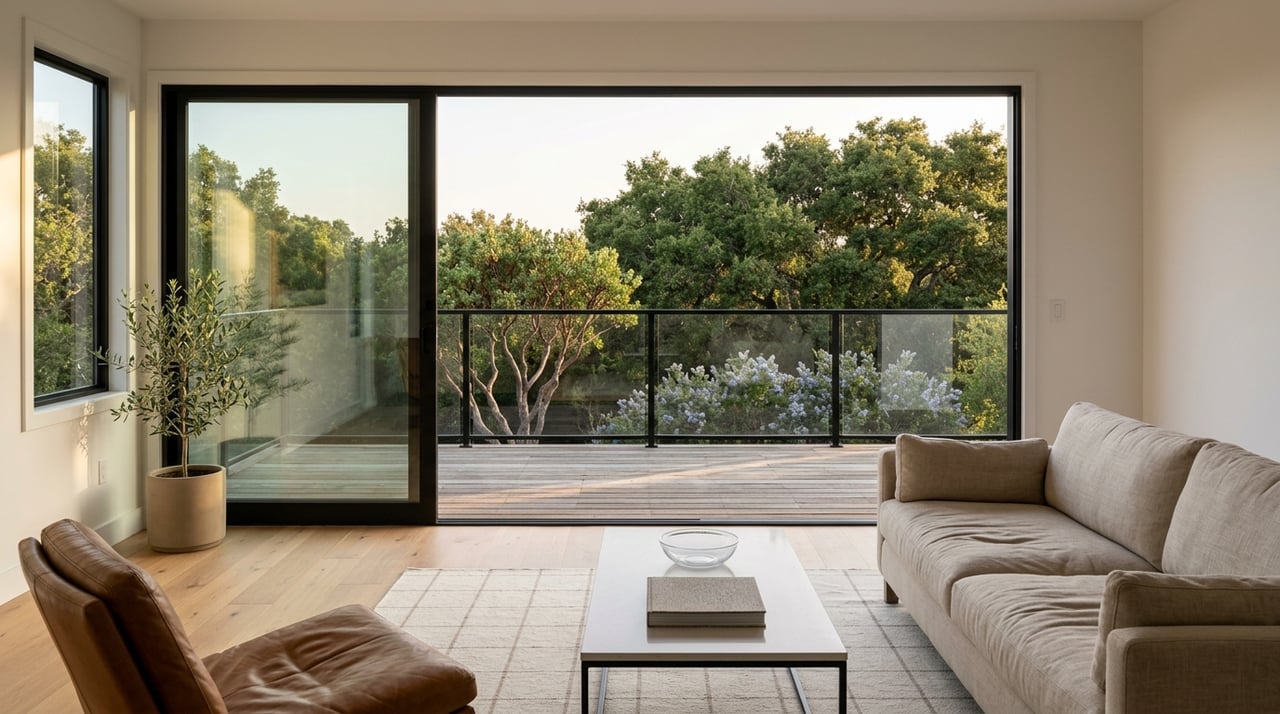
Your main living space should feel open, bright, and easy to walk through. Reduce extra furniture if the room feels crowded. Keep surfaces mostly clear and store everyday items like remotes, chargers, blankets, and baskets before showings.
Kitchen
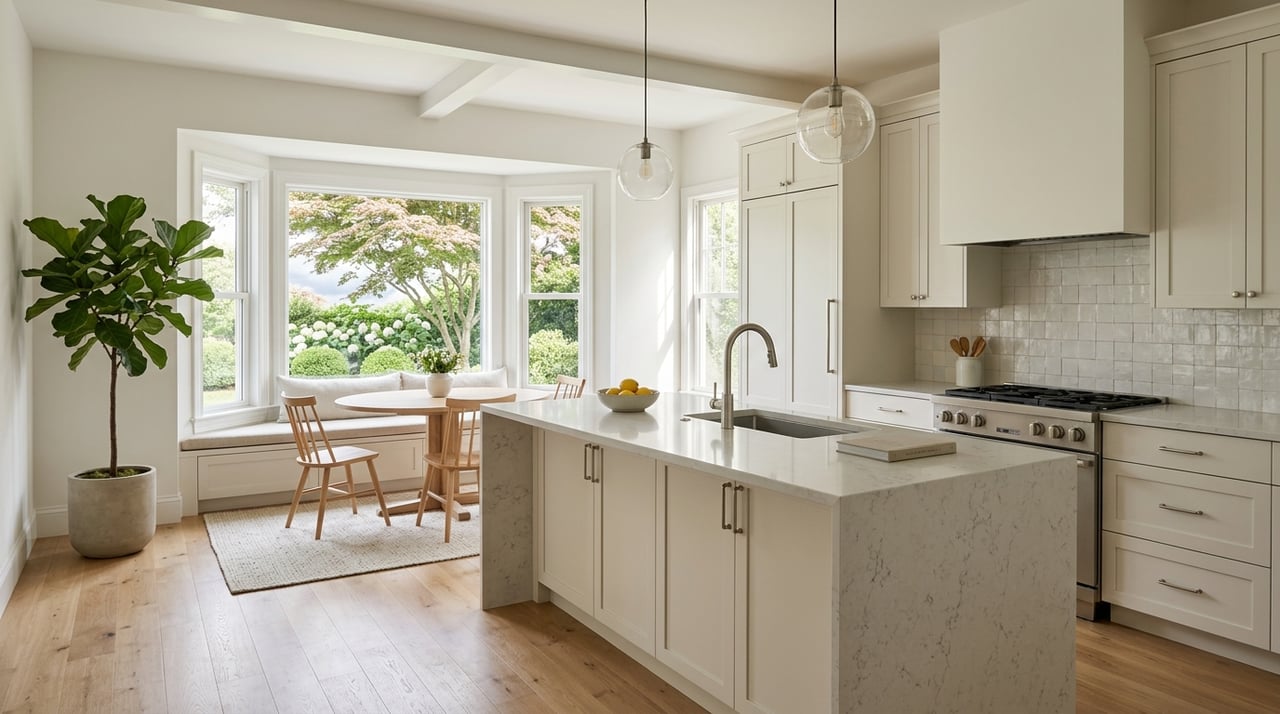
The kitchen should look clean and functional. Keep counters as bare as possible, hide dish soap and drying racks when you can, and clear papers or small appliances that are not essential. Buyers tend to notice kitchens quickly, so this room should be photo-ready every day.
Primary bedroom
The primary bedroom should feel calm and spacious. Make the bed neatly every morning, reduce furniture if needed, and pack away clothing or personal items that tend to collect in corners or on dressers. Closets should also be organized enough to open without looking overstuffed.
Home office
If you work from home, do not overlook this room. NAR found that home offices were among the rooms most commonly staged. Keep cords tucked away, paper piles contained, and printers or work gear as visually quiet as possible.
Use a hybrid staging approach
Occupied homes usually benefit from a hybrid plan rather than an all-or-nothing staging decision. In some cases, your existing furniture works well once the space is edited, cleaned, and simplified. In others, a few staged pieces or styling updates can improve the look without fully moving out.
Virtual staging can also help when a home is still inhabited. It may be useful when rooms are empty, partially packed, or difficult to furnish for photos. The key is to use it thoughtfully and pair it with a home that still shows well in person.
Physical staging usually matters more in the rooms buyers care about most. If you are deciding where to invest, prioritize the main living area, kitchen-adjacent dining space, primary bedroom, and office. Those spaces often do the most work in both photos and in-person showings.
Build a simple daily show-ready checklist
Once the home is prepped, your day-to-day routine should be short and realistic. You do not want to reinvent the process every time a showing request comes in. A basic checklist can help you reset the house quickly.
Daily occupied-home checklist
- Make all beds
- Wipe kitchen and bathroom counters
- Put away dishes and drying racks
- Clear mail, backpacks, and loose papers
- Store pet beds, bowls, crates, and toys
- Empty trash if needed
- Open blinds or curtains for natural light
- Do a quick floor sweep in main areas
- Put laundry in hampers or behind closed doors
- Check the entry so it feels clean and uncluttered
This kind of system keeps the home consistently presentable without making daily life impossible. It also reduces stress when a last-minute request comes through.
Create a showing window that fits real life
Occupied sellers usually do better when showings follow a clear routine. Rather than trying to be available every hour of every day, set showing windows that match your work and family schedule as much as possible. This makes planning easier and gives you time to reset the home.
You will also want a simple exit plan. Know where you will go during showings, what you will take with you, and how quickly you can leave. Even a nearby coffee shop, park, or errand route can make the process feel more manageable.
Open houses need a separate plan because they bring more traffic through the home. Try to treat them as a concentrated marketing window. If you can keep the home extra polished for one or two strong open house blocks, it may reduce the need for constant disruption during the week.
Have a pet plan before photos and showings
Pets are part of daily life, but they can complicate an occupied sale. NAR notes that removing pets during showings is a common improvement step, and pet beds and crates can be a turnoff in bedrooms. That means pet logistics should be part of your prep, not an afterthought.
Before photos and open houses, pack away pet gear as much as possible. During showings, plan for pets to be out of the home if you can. This helps with safety, reduces distractions, and keeps buyers focused on the space.
Your plan can be simple. Arrange a walk, a visit with a friend, a short daycare stay, or a timed outing during scheduled access. The important part is having a repeatable option so you are not scrambling each time.
Get disclosures ready early
In California, disclosures are a major part of the sale process, and they are especially important when timing matters. For most residential resales of one to four dwelling units, sellers must deliver a Real Estate Transfer Disclosure Statement, or TDS. This form is not a warranty, but it does require you to disclose known issues such as significant defects, operating-condition problems, environmental hazards, drainage or flooding concerns, permit issues, zoning matters, HOA or common-area issues, and certain lawsuits or notices.
Timing matters here. If the TDS is delivered after the offer is signed, the buyer has at least three days to rescind if it is delivered in person, or five days if it is mailed. That is one reason it often makes sense to prepare your disclosure packet before the listing goes live.
Natural hazard disclosures also matter. California requires a Natural Hazard Disclosure Statement when a property lies within state-mapped hazard areas. The California Geological Survey states that sellers must disclose earthquake fault zones and seismic hazard zones, along with other mapped hazard areas, and EQ Zapp is the official parcel-level tool used to check those zones.
For a Greenbrae seller, the practical takeaway is simple. Verify hazard-zone status early and build a complete disclosure package before you hit the market. That can help reduce delays and make the process smoother for everyone involved.
Why full-service coordination matters
Selling an occupied home asks a lot from you. You are not just listing a property. You are managing prep, cleaning, staging choices, photography, disclosure timing, inspection access, showing schedules, and often vendor coordination while still living there.
This is where a full-service approach can make a meaningful difference. A strong listing plan helps you decide what to pack, what to fix, what to stage, and what can be left alone. It also brings structure to the timeline so you are not making every decision under pressure.
For sellers in Greenbrae and Marin, that support is especially valuable in a market where home values are high and launch quality matters. Omari Williams brings a finance-savvy, hands-on approach that can help you think clearly about pricing, preparation, marketing, and next steps while keeping the process organized from start to finish.
A realistic way to move forward
You do not need to put your life on hold to sell your Greenbrae home well. What you need is a practical plan that matches how you actually live. When you prep early, focus on the right rooms, simplify your daily routine, and get disclosures ready in advance, the process becomes much more manageable.
If you are considering a sale and want a calm, well-organized strategy, connect with Omari Williams for guidance on pricing, preparation, staging, and the full listing process in Marin.
FAQs
When should you start decluttering before selling a Greenbrae home?
- You should start before the listing goes live, ideally by packing nonessentials first so your home feels cleaner in photos and showings while also giving you a head start on moving.
Which rooms should be photo-ready every day when selling an occupied Greenbrae home?
- Focus first on the living area, kitchen, primary bedroom, and home office, since staging research shows these spaces have the biggest impact on buyer perception.
What should you do with pets during Greenbrae home showings?
- Plan to remove pets from the home during showings and open houses when possible, and pack away beds, bowls, crates, and toys before photos or buyer visits.
Which California disclosures should be ready before a Greenbrae listing goes live?
- For most one-to-four unit residential resales, you should be prepared to complete the Real Estate Transfer Disclosure Statement and verify whether a Natural Hazard Disclosure Statement applies based on mapped hazard zones.
Is virtual staging enough for an occupied home sale in Greenbrae?
- Virtual staging can help in some situations, especially for photos of empty or partially furnished rooms, but physical staging or careful editing of lived-in spaces often matters more in the main rooms buyers notice first.
How can a full-service agent help with an occupied home sale in Marin?
- A full-service agent can coordinate pricing, staging decisions, repairs, photography, disclosure timing, showing logistics, and transaction management so you can stay focused on your move and daily routine.